Inksnatcher Guide – Updated for 2025
Inksnatcher Guide – Updated for 2025
You’re already ahead of most authors if you’re thinking about marketing before your book is even published. Smart move. Planning early gives your book the visibility it deserves and builds the foundation for long-term success. Early marketing efforts help your book get discovered by key audiences such as booksellers, librarians, and readers, increasing its chances of standing out.

Recent data from the 2024 Written Word Media Indie Author Survey confirms that preparation pays off—authors who start marketing three to six months before launch report significantly higher sales and reader engagement.
These early efforts are crucial for a book’s success, as they boost both online and offline visibility and help establish a strong presence before release. The latest reports from Leverage With Media (2025) echo this: the best campaigns begin long before release day, treating a book launch as a brand-building event, not a one-off moment. So let’s break down how to make your pre-launch plan work for you. The important thing is to create sustained sales and visibility, not just a one-time launch.
Basic Book Marketing Online Presence
Start by securing your author identity everywhere.
- Decide on your author name. Use it consistently across every platform—your website, Amazon page, and social media.
- Build an author website. According to the 2024 survey, 87.5% of indie authors now have a website, but fewer than 30% sell directly from it. That means there’s still room to stand out by making your site professional, reader-focused, and capable of handling direct sales. Understanding your book’s market and positioning your site to appeal to your target audience is essential. Use your website to grow and manage your email lists for direct communication with readers.
- Optimize your Amazon Author Central profile. Add a strong “About the Author,” professional headshot, links to your website, and your social media feeds.
- Choose your social media wisely. You don’t need to be everywhere—only where your readers are. Instagram and TikTok remain hot for fiction; LinkedIn and Facebook work well for nonfiction. Twitter is also valuable for community engagement, networking, and book promotion.
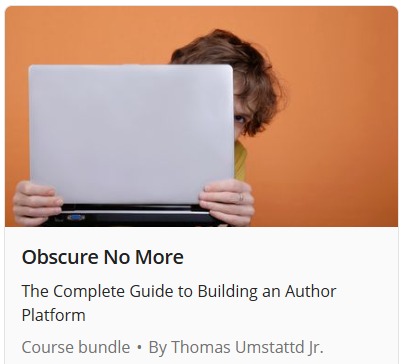
If you want step-by-step help building your author platform, the Obscure No More course by Thomas Umstattd is still one of the best out there. His “Five-Year Plan to Become a Bestselling Author” provides a strategic framework many indie authors swear by.

Thomas Umstaddt
Building Your Author Brand
Your author brand is more than a logo or color palette. It’s your promise to readers. It tells them what to expect from your writing and why they should come back for more. Branded materials like bookmarks and posters can also serve as business promotion tools at events, acting as a business card and reinforcing your author identity.
Book Marketing Strategy
A successful book marketing strategy is the backbone of any book’s success, whether you’re a new author or a seasoned pro. Start by clearly identifying your target audience—knowing who your readers are will shape every aspect of your marketing plan. Next, outline the marketing services and book promotion services you’ll use to reach those potential readers. This can include social media marketing, targeted email campaigns, and leveraging book marketing services that specialize in connecting books with the right audience.
Don’t overlook the power of a professional website. Your site should serve as the central hub for your book launch, offering information about your book, your author bio, and a way for readers to join your email list. Speaking engagements, both virtual and in-person, are another effective way to promote your book and establish your expertise. Aspiring authors can learn a lot from thought leaders in the industry. Study their marketing efforts and adapt their strategies to fit your own goals.
For example, a new author might start building their email list months before publishing their first book, using their website and social media to attract interested readers. By planning your marketing efforts early and using a mix of book promotion techniques, you’ll be well-positioned to find potential readers and make your book launch a success.
Your Amazon book description is a key sales tool.
- Use keywords and search phrases readers actually use. Tailor your book description to attract your target readers by addressing their interests and needs.
- Study other successful books in your genre—especially those from authors who aren't household names. What words or emotional hooks do they use in titles and descriptions?
- Format for easy scanning: short paragraphs, bold phrases, and strong calls to action.
Our founder’s book!
Choosing the right categories and subcategories can make the difference between getting buried and getting noticed.
Put your book where your readers already hang out. For example, a women’s Bible study on Esther will do far better in Women’s Biblical Studies than in General Christian Living.
Fine-tuning your category choices early helps Amazon’s algorithm recommend your book to the right readers.
Book Images and Visuals
Visual content drives engagement. Tools like Canva make it easy to create branded graphics for print, eBook, and audiobook formats.
Design separate templates for each platform—Instagram posts, Pinterest pins, Facebook banners—and update them for launch countdowns, preorder reminders, or early reviews.
In 2025, video snippets and short reels are gaining traction too, so think beyond still images.
Preorders
Once you’ve finalized your launch date, set up preorders. This builds momentum, captures early readers, and signals to Amazon that there’s demand for your book. One study found that authors sell about 16 percent more of a book in its first year than without preorders.
Currently, you can still only set up preorders for e-books on KDP, but print and direct sales options are expanding fast. Ingram Spark lets you set your book up for preorders, and they show up on Amazon.
Treat your preorder period like a soft launch: collect email addresses, send thank-yous, and offer sneak peeks or bonuses to early supporters.

Author and Founder of WordLife Ministries, Solape Osoba
Promotions
Plan your promotional strategy well in advance:
- Budget for advertising. The newest data shows authors investing an average of $200–$500 per launch in paid ads (Amazon, Facebook, or BookBub Featured Deals). Test and track your ads to find what performs best. Marketing books effectively can lead to more money through increased sales volume, even if your per-book margins are lower. Many authors use Amazon’s ad platform to market books.
- Track your outreach. Use a spreadsheet or calendar to list promo dates, discount codes, and results.
- Use proven promo sites. Highly rated platforms like BookBub, Freebooksy, Robin Reads, and Bargain Booksy still deliver strong returns. Consider other techniques for promoting books, such as media outreach, digital marketing, and leveraging social media campaigns.
Remember: paid promotions work best when supported by strong branding, good reviews, and optimized metadata. Promoting books through social media and Amazon campaigns is essential for maximizing your reach and sales.
Book Launch Planning
Book launch planning is a vital part of any book marketing strategy, setting the stage for your book’s visibility and sales from day one. Begin by creating a detailed plan for your book’s release, including setting up a pre-order page and scheduling a series of engaging social media posts across your accounts. Coordinating with book promotion services can help amplify your reach and ensure your book is seen by new readers.
A well-executed book launch goes beyond just hitting “publish.” Consider lining up podcast interviews, securing early book reviews, and organizing book signings—these activities not only boost your book’s credibility but also help you connect with potential readers. While traditional publishing companies often have dedicated teams for book launch planning, self-published authors can achieve similar results by being proactive and strategic with their marketing efforts.
For instance, a self-published author can use their social media accounts to share behind-the-scenes content, host live Q&A sessions, and encourage readers to leave reviews. By combining these tactics with a solid promotion plan, you’ll maximize your book’s exposure and set the stage for strong book sales.
Budgeting and Cost-Effective Marketing
Promoting your book doesn’t have to drain your bank account. With smart budgeting and a focus on cost-effective marketing services, you can reach your target audience and attract new readers without overspending. Start by taking advantage of free or low-cost options like social media marketing and email marketing—these channels allow you to connect directly with readers and build buzz around your book.
Affordable book promotion services like BooksGoSocial.com can also help you get your book in front of more readers, often offering packages tailored to indie authors. Use your website and social media accounts to share updates, run promotions, and engage with your audience. It’s important to track the results of your marketing efforts using analytics tools, so you can see which posts and promotions are resonating with your audience and adjust your strategy accordingly.
For example, you might notice that certain types of social media posts generate more engagement or that your email list grows faster when you offer exclusive content. By focusing on what works and being mindful of your budget, you can promote your book effectively and reach your marketing goals.
Reviews
More reviews = more visibility.
- Build an ARC (Advance Review Copy) team. Invite readers from your newsletter or social media followers to read early and review once the book is live.
- Use reputable review services. Try NetGalley, Readers’ Favorite, or BooksGoSocial for professional outreach.
- Pitch book bloggers and podcasters. Have your media kit ready with your cover, author bio, and summary. These outreach efforts are an essential part of your overall book publicity campaign to increase your book’s visibility.
Never offer compensation or gifts for reviews: Amazon’s algorithms are strict and will remove them if they detect incentives.
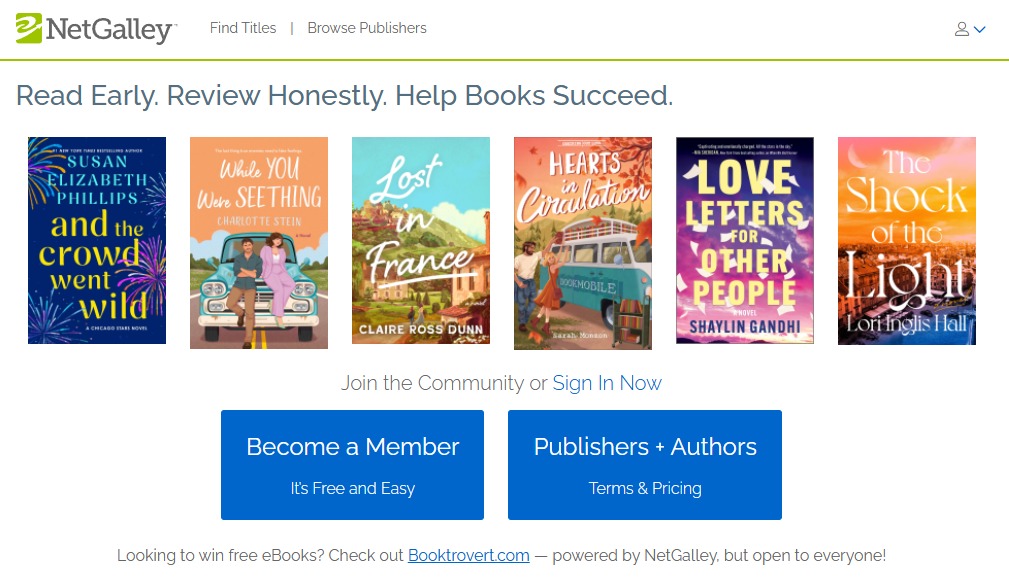
Book review site NetGalley
Visibility
Don’t wait for people to find you. Reach out. Learn more about how to develop a social media strategy.
Send personalized pitches to podcast hosts, bloggers, and YouTubers in your niche. Include your media kit and a short, punchy description of your book.
Also, keep nurturing your email list—it remains the most effective marketing channel for authors in 2025.
Tracking and Measuring Success
To make the most of your book marketing efforts, it’s essential to track and measure your results. Use analytics tools to monitor your website traffic, social media engagement, and book sales. Email marketing platforms provide valuable metrics like open rates and click-through rates, helping you understand what content resonates with your audience.
By regularly reviewing these metrics, you can identify which marketing efforts are driving results and which need adjustment. For example, if you see a spike in website visits after a particular social media campaign, you’ll know to focus more on that channel. Tracking your book’s performance allows you to make data-driven decisions, refine your marketing strategy, and better connect with your target audience.
Ultimately, measuring your success ensures that your marketing efforts are effective and that you’re continually improving your book’s visibility and sales.
Friends, Followers, and Fans
Keep your readers connected throughout the writing and publishing process.
- Share snippets and progress updates on your social media or blog.
- Start a monthly newsletter and reward subscribers with early access, special offers, or exclusive behind-the-scenes content.
- Treat your readers like partners in your publishing journey—they’re your most powerful advocates.

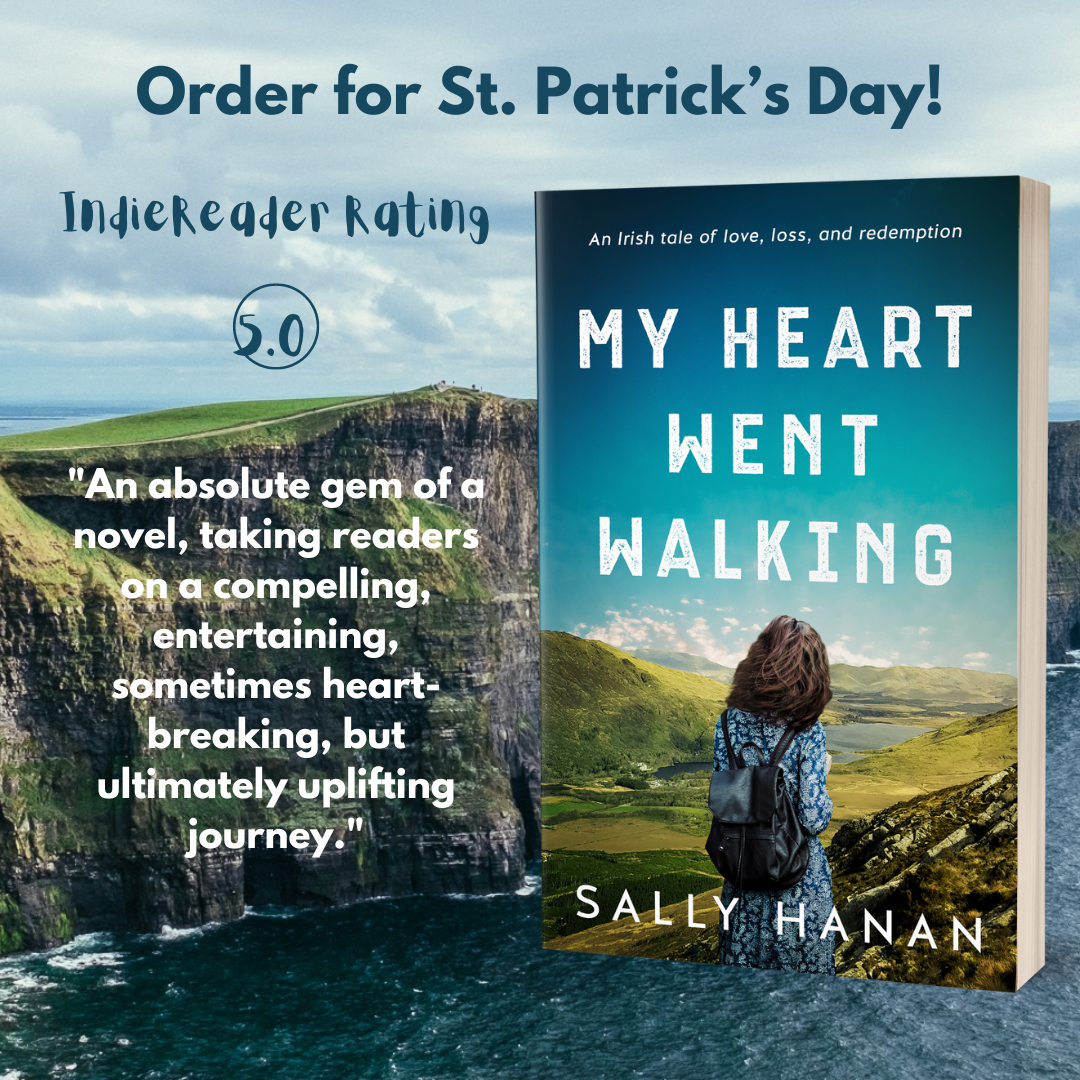
Sally Hanan, author of My Heart Went Walking
More Books and Long-Term Success
Long-term success as an author comes from writing more books and building a loyal community of readers.
- Focus on creating a professional website that showcases your books, offers exclusive content, and encourages readers to join your email list.
- Use effective marketing services, including book marketing and book promotion services, to keep your audience engaged and attract new readers with each release.
- Social media accounts are invaluable for promoting your books, sharing your writing journey, and connecting with readers.
- Email marketing remains one of the most powerful tools for driving book sales and keeping your audience informed about new releases.
By consistently focusing on book promotion and nurturing your reader base, you’ll set yourself up to publish more books and achieve lasting success. For example, you can use your website to offer bonus chapters or early access to new books for email subscribers, turning casual readers into dedicated fans. By prioritizing long-term relationships and effective marketing strategies, you’ll continue to write, publish, and promote books that resonate with your audience—ensuring your career as an author keeps growing.
Having a marketing plan is essential—but executing it well is what makes all the difference. None of these tactics matter if your book isn’t edited professionally or designed beautifully. Poor covers, clunky layouts, and errors can ruin even the best marketing efforts.
If your book covers sensitive or faith-based topics, consider hiring a professional editor who understands the nuances of your audience and message.
At Inksnatcher, we help independent authors stand out with expert editing, typesetting, and design—because a beautiful, well-crafted book makes every marketing effort go further.
Your book deserves to shine. Let Inksnatcher help you make it unforgettable.