Introduction to Self-Publishing
Self-publishing has revolutionized the way authors bring their stories to readers. No longer limited by the traditional publishing model, writers now have the opportunity to take full creative control of their publishing journey. Thanks to digital platforms and print-on-demand services, the self-publishing process is more accessible than ever, allowing authors to publish both eBooks and print editions with ease.
From writing and editing to cover design and book formatting, every step is in the author’s hands. Using a comprehensive publishing checklist ensures that nothing is overlooked, helping authors navigate the publishing process smoothly and maximize their chances of self-publishing success.

In the self-publishing world, dedication and attention to detail can turn your publishing dreams into reality.
Writing and Editing
Writing a book that stands out in today’s market means crafting a story or message that is both original and tailored to your target audience. Whether you’re working on fiction or non-fiction books, understanding what your readers want is key to self-publishing success. Before you start writing, validate your book idea to ensure it fills a gap or offers a fresh perspective in your book’s genre. As you write, keep your target audience in mind, making sure your content aligns with their expectations and interests.
Once your first draft is complete, the editing process begins. Editing is more than just correcting grammatical errors—it’s about refining your manuscript through several stages, from developmental editing to line editing and proofreading. Experienced self-published authors know that thorough editing transforms a rough draft into a polished, professional-quality book that keeps readers engaged and coming back for your next book.

SELF-PUBLISHING CHECKLIST
We wish you all the best in your publishing journey.
We’ve always found checklists handy, and this one for self-publishing is no exception. If you think we’ve left something out, let us know so we can add it. Feel free to print this and share.
Most important
(and do this before you pay anyone to do any work on your book or you’ll waste a lot of money)
- Finish book and promise to change nothing.
- Finalize title and subtitle.
- Choose your author name—this is a big deal for your branding and how readers perceive you.
To get the interior ready
- Dedication
- Acknowledgments
- Manuscript editing: Start with a developmental edit, working with a developmental editor to address structure, plot, and character development. Next, collaborate with a line editor to refine style, clarity, and flow at the sentence level. Then, have a copy editor review for grammar, consistency, and overall polish. Inksnatcher offers all types of editing services.
- Seek feedback from beta readers and incorporate their constructive feedback to improve the manuscript before finalizing.
- Editing – round #1: review all edits; round #2 for punctuation
- Review the final manuscript to ensure all revisions and feedback have been addressed before moving to formatting.
- Bio – long (100 words)
- Head shot – 300 dpi
- Prepare your manuscript as a clean Word document before sending it to the formatter, as errors can be introduced during conversion.
- Choose your book formatting designer.
- Check for layout issues during the formatting process to ensure the book is visually flawless. Contact us to learn more about layout options.
- Ensure the book’s interior design is professional and reader-friendly, paying attention to page layout, text formatting, and any special elements.
- Prepare and format the copyright page as part of the book’s interior.

Cover
- Choose photos or art you like. Collect URLs of covers you like in your genre that the designer can use for inspiration. The book’s cover is crucial for first impressions and should be designed to attract readers. Including endorsements and reviews on the cover provides social proof to potential readers.
- Choose your book cover designer. It is important to hire a professional designer to create a high-quality book cover that stands out and meets publishing standards.
- Jacket copy – goes on the back cover to hook people into buying the book
- Bio – short (50 words)
- ISBN x 2 and barcode (for both print and eBook)
An imprint logo for the back and spine – if you buy your own ISBNs
- Endorsements x at least 2, if you have them (for first page, back cover, or on the front cover to enhance credibility). We can help with this.
- Review the overall book design for consistency and appeal, ensuring the interior layout and cover work together for a polished, professional look.
Back Cover and Book Blurb
Your book description, often called the blurb, is one of the most important marketing tools you have. This 150–300-word pitch appears on the back cover and on online retailer pages like Amazon and Apple Books, serving as your book’s first impression to potential readers.
A well-crafted book description should highlight your book’s genre, hook your target audience, and spark curiosity without giving too much away. The back cover and blurb work together to create a professional package that not only attracts attention but also drives sales. Investing time in writing a compelling, genre-appropriate blurb can significantly boost your book’s visibility and discoverability in a crowded marketplace.
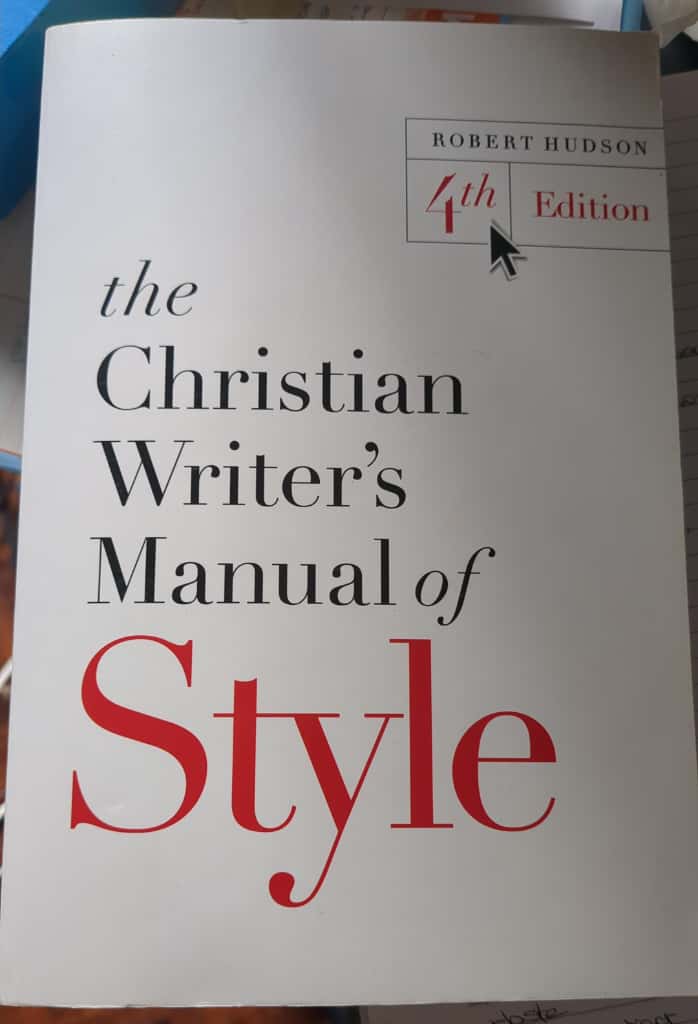
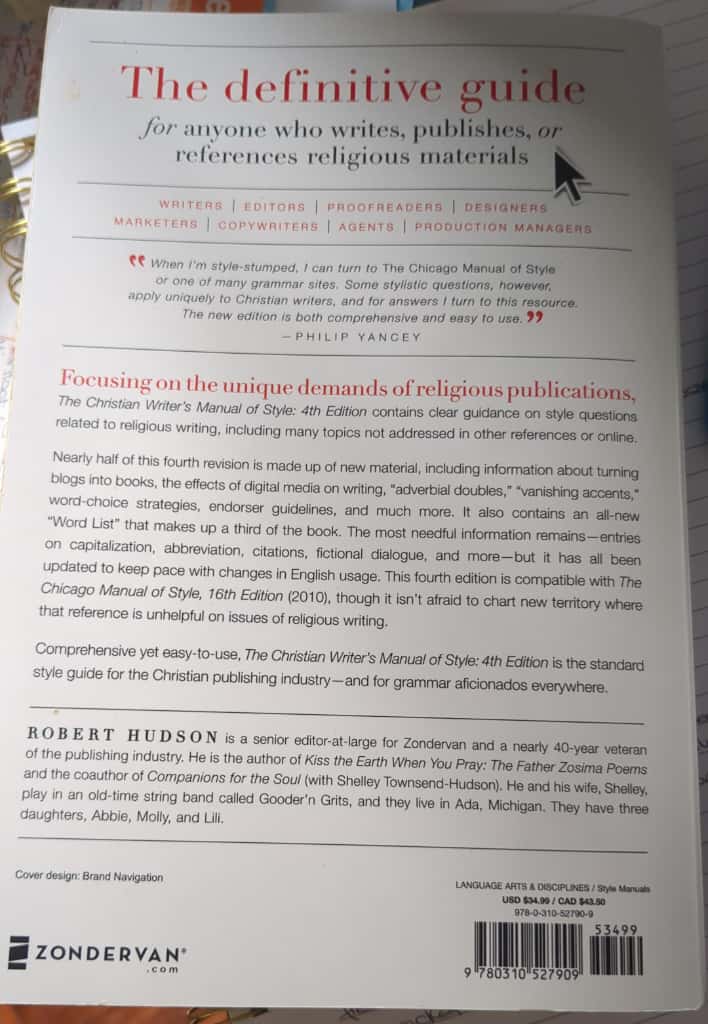
Christian editing’s rulebook
Printing
- Amazon KDP and Ingram Spark are the two most affordable printing companies, and they both have distribution capabilities.
- Both offer print softcover and hardcover options.
- Choose a distribution platform to make your book available across retail outlets and libraries, and in print.
- Consider using other platforms beyond Amazon, such as Apple Books or Barnes & Noble, to maximize your book’s reach and sales potential.
- Note: Unlike the traditional model, which requires printing large inventories and warehousing books, print-on-demand and digital distribution allow you to offer your book efficiently without upfront inventory costs.
Final check
- Digital check online
- Order proof copies
- Final proof – this is the last review of the final manuscript before publication. It can be done by nitpicky friends, but I strongly recommend a proofreader too.
- Check for layout issues in the proof copy to ensure there are no visual or structural problems before printing.
- See honest reviews from early readers or proofreaders to get genuine feedback and ensure transparency and credibility.
- After the final check, make sure your book is fully ready to get into readers’ hands.
E-book
- Kindle, ePub, and Smashwords typesetting
- Amazon KDP account
- Draft2Digital account (makes your e-book available for download to all eReaders)
- Consider enrolling your ebook in Kindle Unlimited to increase visibility and reach more readers.

Sales
- Book blurb/description for Amazon sales page
- Amazon author page
- Friends ready to write reviews on Amazon
- Choose launch date
- Set up print book for preorders – only possible with Ingram Spark, not KDP, but KDP takes preorders for e-books
- Set up preorder campaign
- Set up book signings
- Develop a comprehensive launch strategy, including marketing activities and building a launch team
- Create a lead magnet to grow your email list and attract potential readers
- Optimize your book’s visibility through metadata, keywords, and targeted promotion
- Improve your book’s discoverability by selecting the right categories and keywords
- Set an appropriate price for your debut novel, considering market expectations
Schedule ad campaigns and review performance two weeks after launch.
Bulk Orders
- Bulk order for your book launch, conferences, and workshops at least 3 weeks in advance and mail straight to the event center.
Average Cost
To get an idea of how much to expect to pay in the US for editing, layout, and cover design, check out our pricing page. Hiring a professional editor is a key investment in producing a high-quality book and should be factored into your budget.
Time Management and Deadlines
Effective time management is a cornerstone of a successful self-publishing process. Setting clear deadlines for each stage—writing, editing, cover design, and publishing—helps keep your book project on track and ensures you don’t miss your planned launch day. Editors and designers typically need about a month each to complete their work, so it’s important to finish your manuscript and reach out to professionals well in advance. Creating a sample deadline schedule can help you visualize the publishing process and avoid last-minute stress. By managing your time wisely and confirming availability with your team, you’ll be better positioned to publish a professional-quality book and achieve your self-publishing goals.