If you’re publishing your first book, you’ve probably heard murmurs about “the Amazon algorithm.” It sounds like a secret code you have to crack to sell books online. But honestly?
The algorithm is just Amazon’s way of helping readers find books they’re most likely to enjoy.

That’s it. It’s not your enemy just because it’s hard to understand, but it does highlight books using a certain strategy, and if you don’t get on board with it, your book might never get in front of the right readers.
We’ve put together a beginner-friendly guide to help you understand how Amazon’s system works, how to sell your book online effectively, and how to make sure your book stands out from the crowd.
What Types of Books Sell Online?
There’s a market for nearly every type of book as long as you know where to look. Popular options include:
- Textbooks – These can be in high demand, especially during school terms.
- Collectible books – Signed editions or rare finds appeal to serious buyers.
- Used books – Budget readers love secondhand titles in good condition.
- New books – With the right strategy, your recent release can gain traction.
- Ebooks – These are easy to distribute and instantly accessible worldwide.
1. Amazon Learns from Reader Behavior
Amazon watches everything: who clicks on your book, who buys it, who reads it, and who returns it. It then recommends your book to others based on that reader behavior.
The goal is to show the right books to the right readers. That means the people who buy your book first train the algorithm on who it’s for.
2. Focus on Your Ideal Reader
We often see authors obsess over pleasing “the algorithm.” But in reality, the best way to sell books online is to please your reader.
Ask yourself:
Use that insight to guide your cover design, subtitle, and description so your book attracts the right buyers.
3. Choose Your First Buyers Wisely
Here’s a surprise for many first-time authors: Your first sales matter more than you think.
Most first-time authors don’t realize that your early buyers help “train” Amazon’s algorithm. If your book launches with a wave of support from friends, coworkers, or relatives—people who don’t normally read your genre—Amazon picks up the wrong signals. It starts recommending your book to people like them. And if those new viewers aren’t interested either, your visibility drops fast. This is why we recommend keeping personal support off Amazon at first.
Don’t skew the data.
Use direct sales, signed copies, or a Kickstarter campaign to let friends and family show their support without skewing your book’s data.
Find readers of your genre.

Then, launch on Amazon to readers who already read the kind of book you’ve written. These genre-true readers help Amazon understand where your book belongs, and that’s what keeps it showing up in the right places.
4. Keywords and Categories: Your Book’s GPS
Amazon functions like a giant search engine, so if you want your book to be found, you need to give it the right signals.
That means your metadata needs to be spot on. At a minimum, you should have:
This is what tells Amazon where to shelve your book, and the more accurate your metadata, the more discoverable your book becomes to the readers who are already searching for it.
5. Your First 30 Days Matter Most
Your book’s launch window is crucial. In those first 30 days, Amazon is paying close attention to what kind of traction your book is getting:
- Are people buying?
- Are reviews coming in?
- Are Kindle Unlimited readers actually reading through?
If Amazon sees consistent activity from the right readers, it starts to trust that your book is worth recommending. But if the launch is quiet or scattered, your visibility drops, and it’s much harder to recover later. This is why we always advise planning your launch before your book goes live. A well-executed first month sets the tone for everything that follows.
6. Send the Right Kind of Traffic
It’s tempting to post your Amazon link everywhere—on social media, in group chats, even in the comments of unrelated posts. But here’s the problem: If people click through and don’t buy, Amazon takes that as a signal that your book isn’t a good fit. That can drag down your conversion rate and tell the algorithm to stop recommending your book.
Instead, focus on driving qualified traffic—readers who are already primed to be interested:
- Your email subscribers (they’ve already raised their hand)
- Readers in genre-specific Facebook groups or forums
- Listeners who’ve heard you on a relevant podcast or webinar
- Visitors coming from a blog post or article directly related to your topic
These are the people most likely to hit your page and say, “This is exactly what I’ve been looking for.” And when Amazon sees those people buying, reviewing, or reading all the way through your book, it sends a green light that says, “Show this to more readers like them.”
This isn’t about traffic volume; it’s about relevance. Quality beats quantity every time.
Customer Reviews Are Your Best Sales Tool
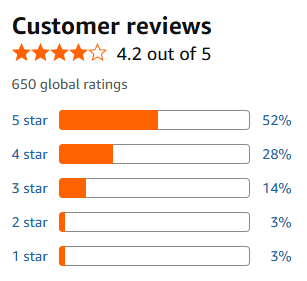
Online book sales thrive on social proof. Encourage readers to leave reviews and then use them:
- Feature standout quotes in your product description or marketing.
- Thank reviewers on social media.
- Build trust by showcasing honest feedback.
The more quality reviews you have, the more credible your book appears.
Track Sales and Optimize
If you want your book to keep selling, you need to keep an eye on how it’s performing. Don’t just set it and forget it.
Inside your Amazon KDP dashboard, you can see:
- How many copies you’ve sold
- How many pages are being read through Kindle Unlimited
- Which formats (ebook, paperback) are selling best
You can also look at your book’s conversion rate—how many people visit your page vs. how many actually buy. If lots of people are clicking but not purchasing, something (like your cover, title, or description) may need to change.
We use this kind of data to help authors test pricing, improve descriptions, or switch up keywords. It’s not about obsessing over the numbers, but checking in regularly helps you make smarter decisions and keep your book visible.
Selling books online isn’t just about launch day. It’s about staying engaged, learning what’s working, and making small tweaks that add up over time.
Need Help Getting Your Book Amazon-Ready?
At Inksnatcher, we work with first-time authors to:
We’ll help you turn your book into a long-term success, not just a one-time launch.