While your cover is the most important part of your book, the interior is the second. Here’s what you can expect at each price level.

Be sure to have your manuscript professionally edited before you start formatting. The writing process is the foundation that leads into the creation of your book’s layout and design. Most editors will ask you to remove all your typesetting before they begin.
Here is how much you can expect to pay for editing.
Professional book cover design and interior layout are both crucial for a cohesive finished product; both covers and interiors should be created with the book’s genre and audience in mind.
Before starting the formatting process, writers should account for layout elements such as spacing and white space to ensure a visually appealing and reader-friendly book.
Book Design Tools and Software
Choosing the right book design tools and software is a crucial step in creating a professional and visually appealing book. Whether you’re a first-time author or an experienced designer, there are a variety of options to suit your needs.
- Adobe InDesign is a favorite among professionals for its robust features, including advanced font management, image editing, and seamless integration with book templates.
- For those just starting out, Microsoft Word offers a more accessible entry point, especially when paired with free book templates that simplify the formatting process.
Specialized book design software like Atticus or Blurb also provides user-friendly interfaces and a range of templates, making it easy to create everything from photo books to self-published novels. These tools allow you to customize fonts, layouts, and images, ensuring your book’s interior matches your vision. No matter your skill level, using the right software and templates can help you create a polished, professional book that stands out on the shelf.
$0 A design template with the template's chosen fonts, footnote style, and images
Amazon's KDP offers a decent selection of free templates in Microsoft Word. Most book templates are created as a Word document, making it easy to format your manuscript according to publishing standards.
If you're not very familiar with Word, it can take a while to get the hang of it, but when your budget is low, it's better than trying to do your own formatting in Word, alone.
Once your layout is finalized, you can export your formatted book as a PDF file for publishing or printing. Choose the book size you want and good luck. Read more about cheap or free book templates here.
$50–$60 A predesigned template that's well thought out
We like this choice because you know exactly what you're going to get, and you can buy it to use in Word, Apple Pages, Affinity Publisher, and Adobe InDesign. One template works for all sizes and eBooks. Templates are created to accommodate different book types and formats, ensuring your book's layout matches its intended style and genre. A lot of our clients have us drop the manuscript into this for them.
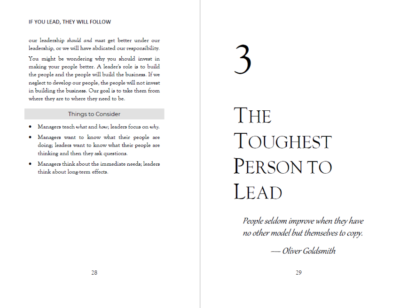
$180–$250 Interior book formatting designer
The interior layout is usually used for many clients.
Fiverr has plenty of designers, usually in other countries, who can do a good job. Your manuscript will probably be dropped into an existing template. Prices seem to run at about $1/page, and you get to choose your designer based on portfolios and reviews. These services are ideal if you want to publish a self-published book, as they ensure your files are properly formatted for both digital and printed editions. Write book layout design into the search box.
$600–$1,000 Book interior layout design services
A custom-designed layout by a professional graphic designer
This is hands down our favorite choice because you get exactly what you want and no one else will have anything exactly like it. It’s pricey for those on a tight budget, but sometimes you’ll find a graphic designer starting out who needs a good portfolio, or someone willing to barter. This price is for a print book with a lot of headings, images, bullets, and footnotes. Most books use clear chapter divisions and strategic page breaks to guide the reader through the content.
If you buy your print and e-book formats together, the price for creating each version goes down.
When it comes to your final decision, budget is what leads most authors to their final choice, but the right interior can make all the difference when the reviews start coming in. When making layout choices, pay special attention to the beginning of each chapter—designing this area well creates a strong first impression and helps maintain reader engagement. Keep future sales income in mind!
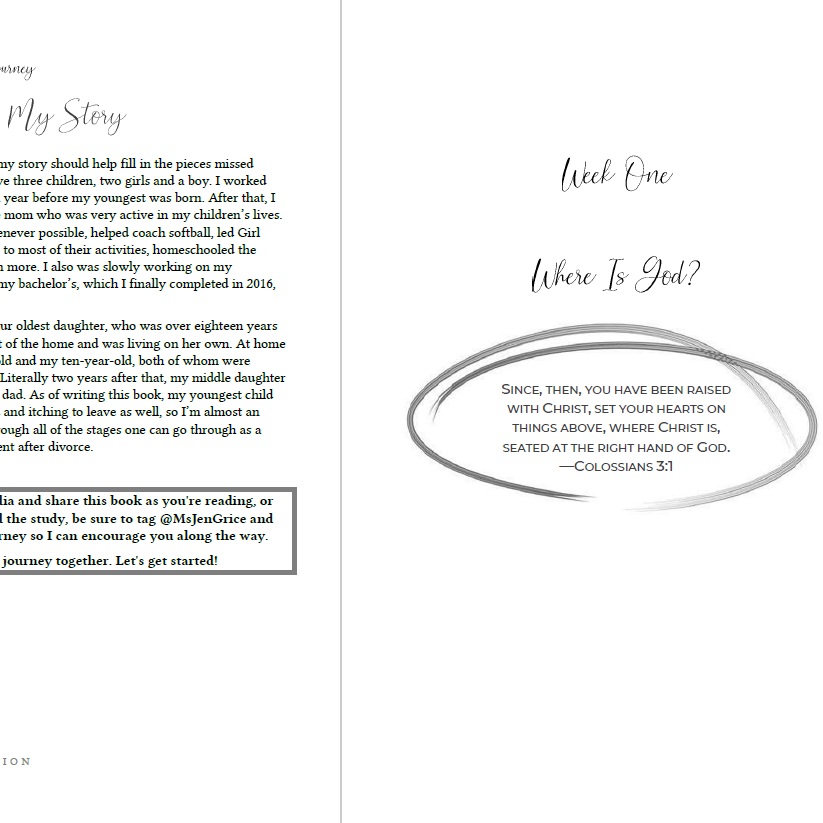
Author Jen Grice’s workbook
Front Matter, End Matter, and Back Matter
A well-structured book includes more than just the main text—front matter, end matter, and back matter are essential for a complete and professional layout.
The front matter typically features the title page, half title (although many authors don’t add this), dedication page, and table of contents, setting the stage for your story and providing key information for readers. Properly formatted chapter headings and page numbers help guide the reader and enhance the overall reading experience.
The end matter includes important sections like the index, glossary, and appendices, offering additional details and resources.
Back matter, found at the very end of the book, often contains the author’s bio, acknowledgments, other books, and other personal notes. Using a book template ensures these sections are consistently formatted, making your book easy to navigate and visually appealing. Paying attention to these details not only elevates your book’s professionalism but also creates a seamless experience for your readers.
Book Layout Best Practices
Creating the perfect book layout is all about balancing clarity, readability, and visual appeal. Start with proper margins to ensure your text isn’t crowded, and use clean, readable typography that suits your book’s genre. White space is your friend—it gives the reader’s eyes a break and makes each page feel inviting, but avoid making the font too large and the line spacing too great; it makes the book look unprofessionally designed. Incorporate scene breaks and chapter headings to organize your content and guide readers through the story. For fiction books, thoughtful use of illustrations or decorative elements can add personality, while nonfiction might benefit from clear section breaks and bullet points.
Always consider your target audience; for example, children’s books require larger fonts and more images, while literary fiction might use more subtle design choices. You need a professional page layout, ensuring your book is both beautiful and easy to read from cover to cover.
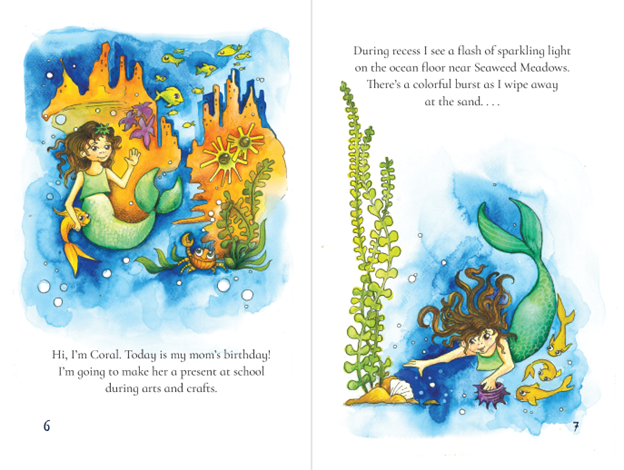
Catching Bubbles by Courtney Steels
Book Design for Different Genres
Every genre has its own unique design needs, and tailoring your book’s layout accordingly can make a big difference in how it’s received.
- Fiction books often feature creative layouts with distinctive chapter headings and scene breaks that enhance the story’s flow.
- Nonfiction books, on the other hand, prioritize clarity and structure, using straightforward layouts and clear typography.
- Children’s books rely heavily on illustrations and images to engage young readers, while cookbooks focus on high-quality photography and easy-to-read recipes.
Using a book template designed for your specific genre can help you achieve the right balance of text, images, and white space. Whether you’re working on a photo book, a self-published novel, or a cookbook, the right design choices will elevate your book and create a memorable reading experience.
Book Printing and Preparation
Preparing your book for print is the final step in bringing your project to life.
- Ensure your interior pages are properly formatted, with correct page numbers, margins, and bleed areas.
- Choosing the right trim size is essential, as it affects both the look and feel of your print book.
- Consider your binding options—perfect binding is popular for paperback books, while hardcover books offer a more durable and premium finish.
- Pay attention to details like paper type and cover design to ensure your book stands out. Most fiction books and memoirs use cream pages, while most nonfiction books print on white.
Professional printing services can help you achieve a high-quality result, whether you’re producing a limited run or planning for wide distribution. Self-publishing platforms and online printing companies, such as BookVault, make it easy to print and distribute your book, giving you full control over the printing process.
With careful preparation and the right tools, your book will be ready to impress readers from the first page to the last.
We are always happy to help with any of your layout questions. Contact us!